Shelf Life: The Fate of a Personal Library
What is it that compels some of us to love books? What is it exactly we love and how do we demonstrate our affection?
What is it that compels some of us to love books? What is it exactly we love and how do we demonstrate our affection? For the purposes of this paper, I'll severely limit the size of this society of bibliophiles. I'll exclude the religious—those who seek the presence of the divine between bindings. And, for similar reasons, I'll also exclude the bibliomaniac—those slaves of their books, as the German bibliographer, Hanns Bohatta described them.
I will also ignore some of the usual suspects: academics, arrivistes, biblioklepts and booksellers as well as those who have inherited their libraries. In fact, I will only seek to understand, and with some luck explain, something of my own bibliophilia. Toward that end, I will ask only a few simple questions: What does it mean to own books? At what point does one's books constitute a library? What are the principal uses of a private library today?
Before I began my research, I had not really thought about my books besides the fact that I was encouraged as a child to read and I have never stopped. When asked about my library (and I am asked, particularly by younger colleagues who visit my home), I generally respond: They give me pleasure. But of late I've begun to question if they really do, or if owning books relates to a sense of self and a sense of place in the world that's now too late for me to shed.
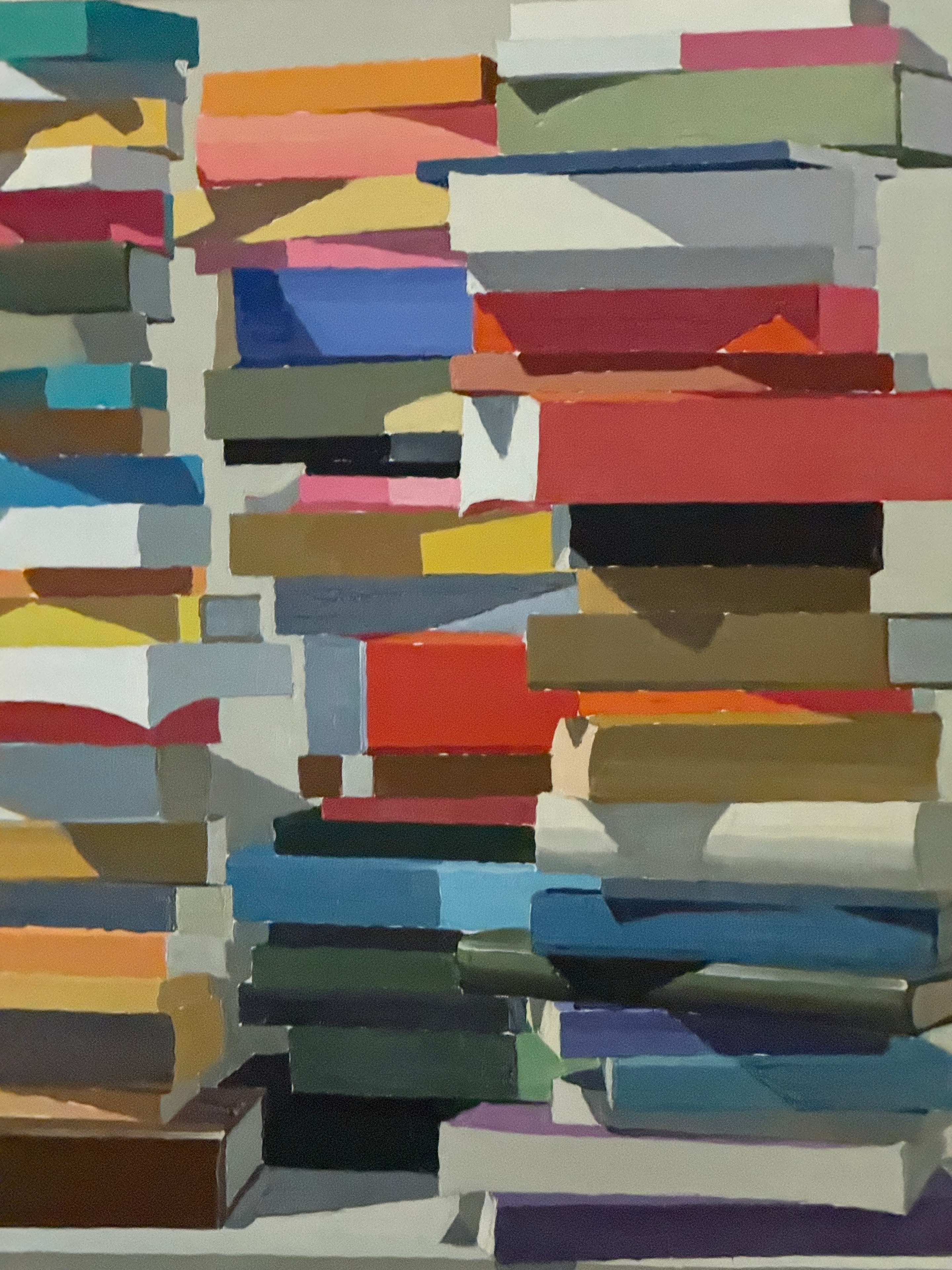
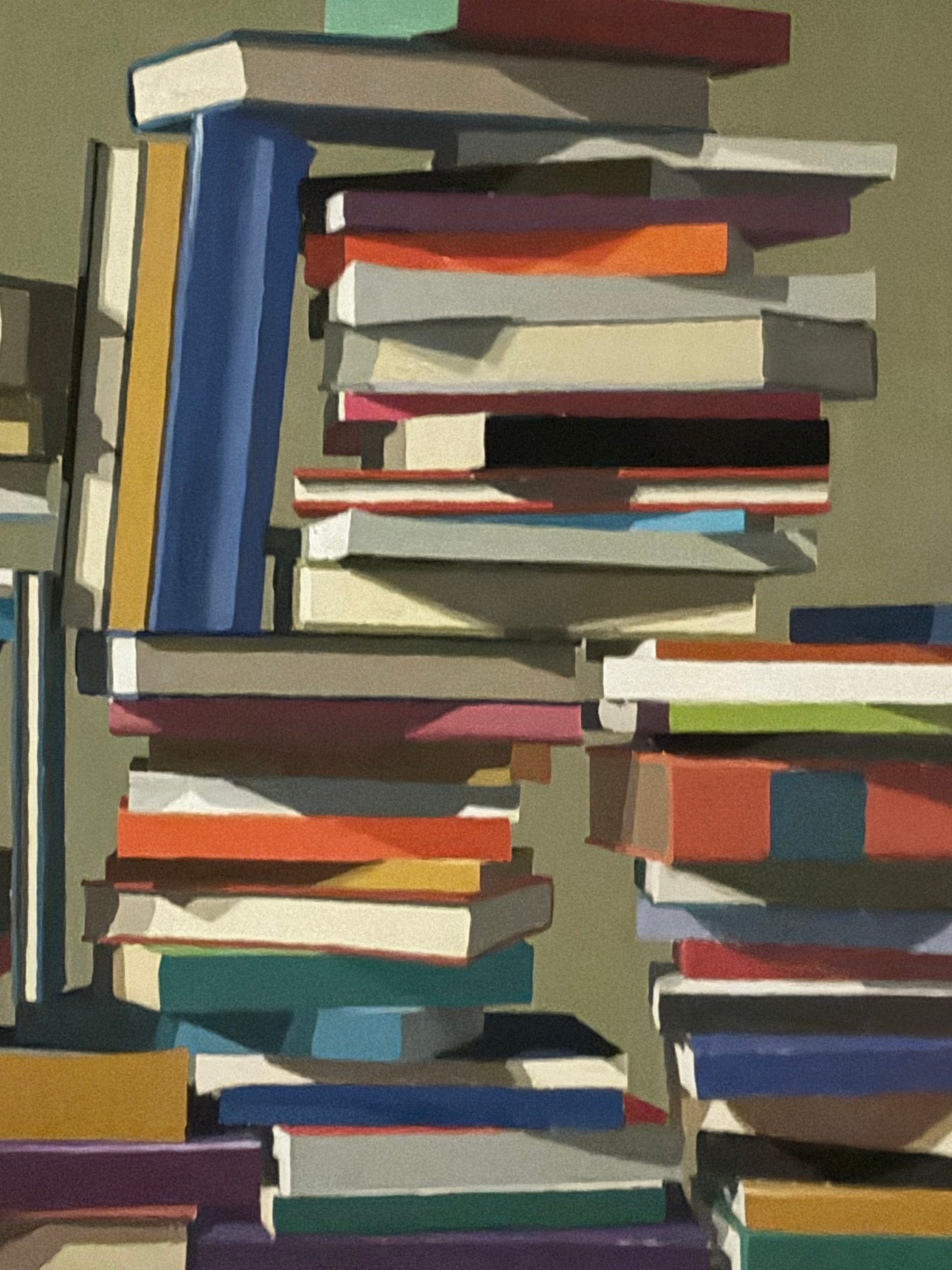
I own books. I've a "collection" consisting of some two thousand volumes. In my living room, against one narrow wall, I have a three-tier, glass-fronted, barrister's bookcase, filled to capacity with books of poetry. These volumes include my Robinson Jeffers collection of first- and limited-edition books, as well as works by other poets, living and dead, that I admire and who have influenced my own work.
What I hope to find in these pages is some better idea of why books are special to me, and perhaps, along the way, be in a position to make a general statement about what compels others to flirt with, pursue and, ultimately, love books.
Benjamin's special rapport with his books can best be understood as an intimate friendship—a relationship that transcends purely functional or utilitarian value, that is, its immediate usefulness. In fact, Benjamin goes beyond this to suggest one may actually enter into a mysterious, even magical, relationship with one's books. "The most profound enchantment for the collector is the locking of individual items within a magic circle in which they are fixed and, as the final thrill, the thrill of acquisition, passes over them."
The real purpose of the private library today is not limited to the getting, preservation and dissemination of knowledge—these would be a consequence of time spent among books. The real and good work of a library is to enable one to withdraw. Books are the only form of art that has not been compromised, the only medium that can slow down the accelerated state—quiet its incessant buzz—and, ultimately to overthrow the tyranny of the perpetual now.
Books enable us to disconnect, to unplug, and to step out of the demographic and the psychographic straitjackets that increasingly limit our movements. Books, more than #resistance, say, "No, I do not belong to you. I am not yours to break and bend and use and discard." There is no better or more tested and proven technology to both close and open one's eyes than a book.